For four decades, one government helped build the Afghan Taliban, providing safe harbor, funding, and strategic sanctuary. That country was Pakistan.
In February 2026, Islamabad declared what its defence minister called “open war” on the Afghan Taliban, after Pakistani jets struck Taliban-held territory including Kabul — an extraordinary geopolitical fracture where historic allies devolved into open adversaries. The fighting continues into November 2026.
This in-depth analysis examines the historical roots, the breakdown of bilateral trust, and the core drivers pushing Pakistan and the Afghan Taliban into active military conflict.
Watch: Why Pakistan Is Now at War With the Taliban It Once Backed
Historical Context: The Quest for “Strategic Depth”
The roots of the current crisis trace back decades through shifting regional alliances:
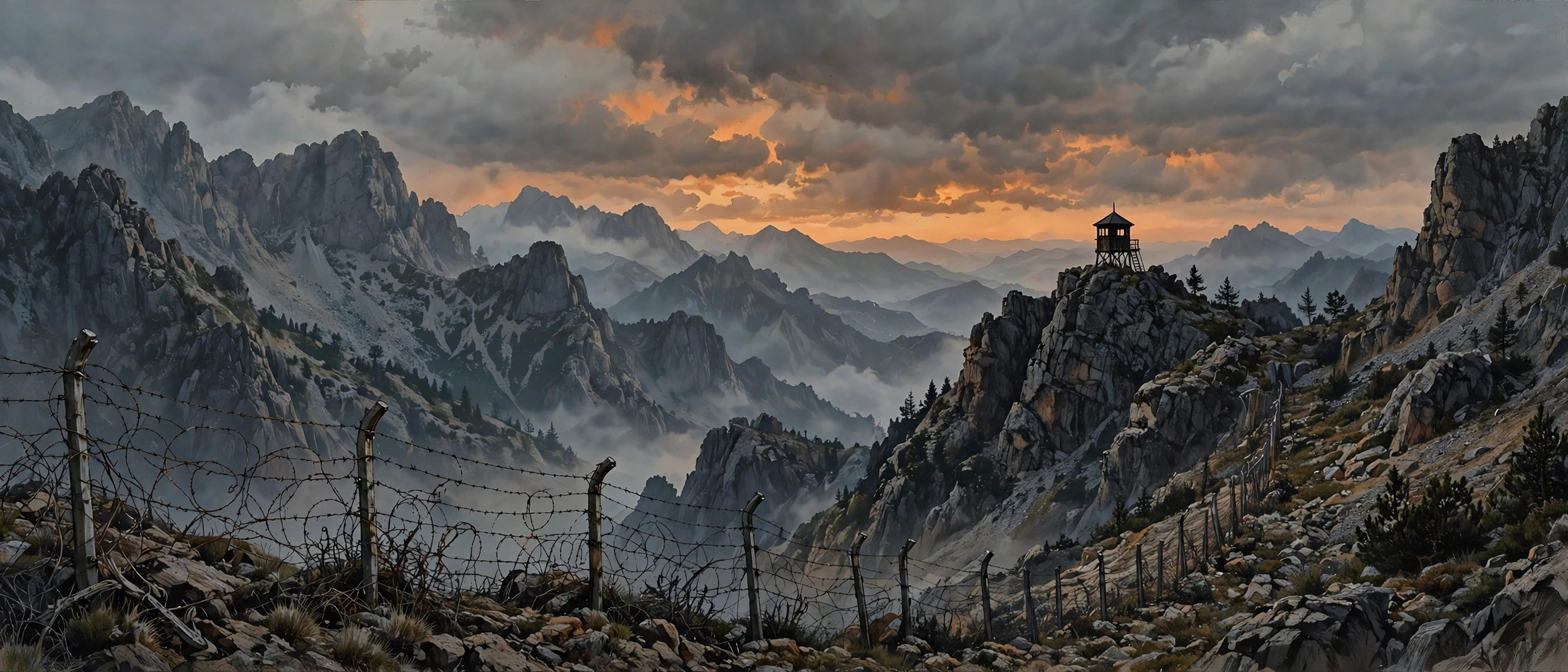
- 1893 — The Durand Line: Drawn by British colonial officials, the 2,670-kilometre Durand Line split ethnic Pashtun communities across two nations. While Pakistan treats it as an international border, Kabul has never formally accepted it.
- 1979 — Soviet war & ISI backing: Pakistan became the primary staging ground for the resistance. Backed by U.S. and Saudi financing, Pakistan’s Inter-Services Intelligence (ISI) trained and armed Afghan fighters to secure “strategic depth” — a friendly administration in Kabul to counter its larger rival, India.
- 2001 — 9/11 & the “double game”: After the U.S. invasion toppled the Taliban government, Taliban leadership quietly regrouped inside Pakistani urban centres, even as Pakistani ruler Pervez Musharraf joined Washington’s war on terror and accepted billions in aid.
- February 2026 — Open war: Following border skirmishes and failed mediation in Istanbul and Doha, Pakistan launched sweeping air strikes on major Afghan population centres, including Kabul, and its defence minister declared that the nation’s patience had run out.
The Durand Line (1893): Drawn by British colonial officials, the 2,670-kilometer Durand Line split ethnic Pashtun communities across two nations. While Pakistan treats it as an international border, Kabul has never formally accepted it.
Soviet Invasion (1979): When the Soviet Union invaded Afghanistan, Pakistan became the primary staging ground for the resistance. Backed by U.S. and Saudi financing, Pakistan’s Inter-Services Intelligence (ISI) trained and armed Afghan fighters. Islamabad’s objective was securing “strategic depth” — a friendly administration in Kabul to counter its larger rival, India.
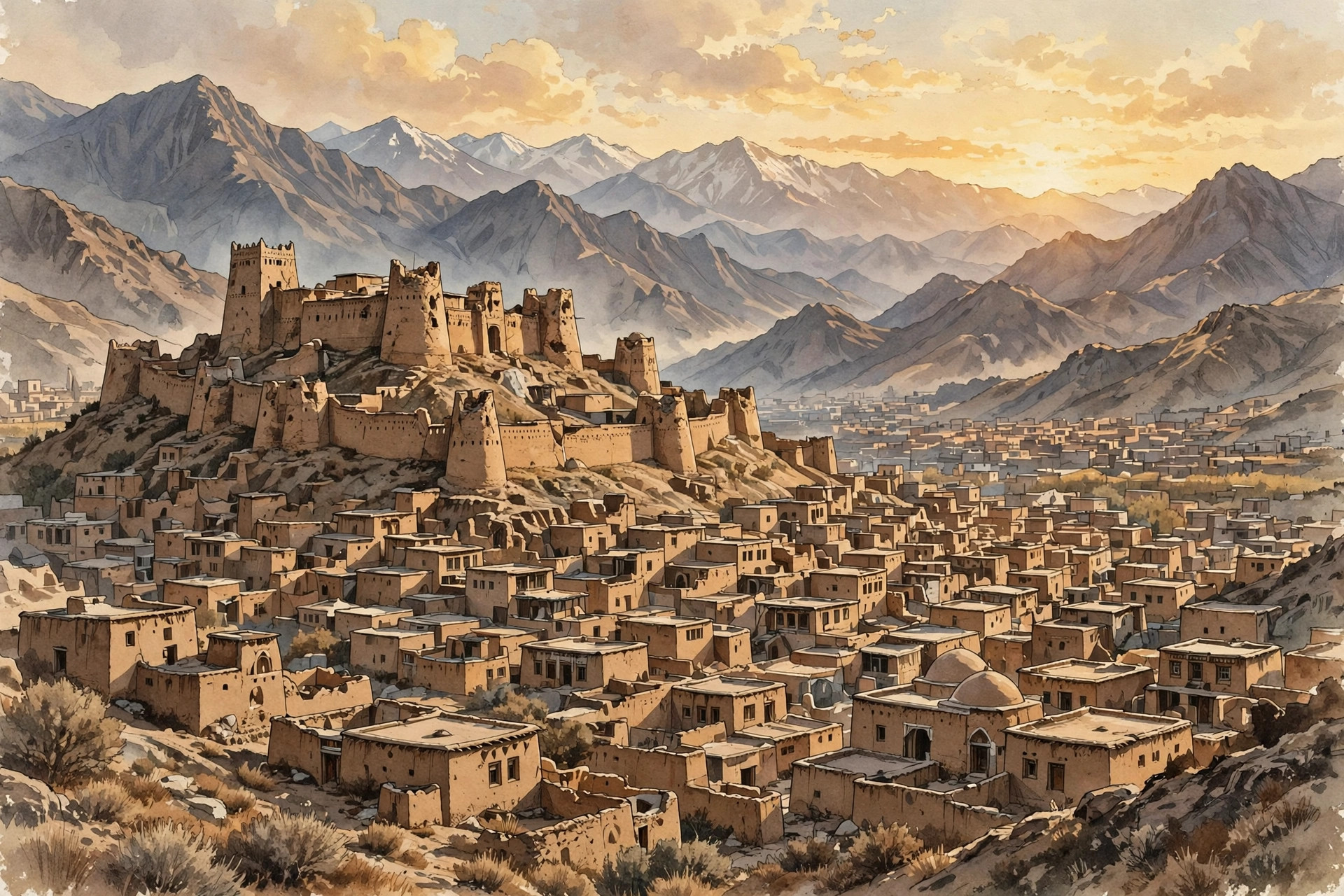
Rise of the Taliban: In the 1990s, the Taliban emerged from civil war chaos, with many leaders educated in Pakistani madrassas. When they captured Kabul in 1996, Pakistan was one of only three nations to recognize their regime.
The Turning Point: The TTP and Broken Expectations
Following the September 11 attacks and the subsequent U.S. invasion, the Taliban government fell. Although Pakistani ruler Pervez Musharraf joined Washington’s war on terror and accepted billions in aid, Western and Afghan officials routinely accused Islamabad of playing a double game as Taliban leadership quietly regrouped inside Pakistani urban centers.
A dangerous domestic blowback occurred in 2007 with the formation of the Tehrik-e Taliban Pakistan (TTP). While technically distinct, the TTP shares the Afghan Taliban’s hardline ideology and maintains close operational ties.
When U.S. forces withdrew in August 2021 and the Taliban retook Kabul, Islamabad initially celebrated. However, expectations that the Afghan Taliban would curb the TTP quickly collapsed. Cross-border insurgent attacks surged, culminating in the devastating January 2023 suicide bombing at a Peshawar police compound mosque that killed over 100 people.
Escalation to Open War
Diplomatic efforts, border closures, and mass returns of Afghans — more than 1.8 million since Pakistan’s repatriation plan began in September 2023, according to UNHCR — failed to stem the violence. Tensions boiled over as the Taliban forged closer diplomatic and economic ties with India — a nightmare scenario for Islamabad.
Military Confrontation: Following border skirmishes and failed mediation in Istanbul and Doha, Pakistan launched sweeping air strikes on major Afghan population centers, including Kabul.
Open Hostilities: Pakistan’s defense minister declared that the nation’s patience had run out, confirming that the two neighbors were in open war.
Humanitarian Toll: The UN Assistance Mission in Afghanistan (UNAMA) confirmed at least 13 civilian deaths in the February 2026 strikes, and a UN special rapporteur has called for an independent investigation into Pakistani airstrikes that he said may amount to war crimes. Both sides dispute casualty figures.
Where things stand now: As of November 2, 2026, the conflict grinds on. Fighting flared again at the Angoor Adda crossing on October 27, killing one civilian and wounding five members of the same family; on October 31, the Taliban’s chief spokesman said Kabul’s efforts to settle the dispute through talks were finished; and an October 5 Moscow Format meeting closed without a joint statement. Despite temporary ceasefires and talks mediated by China, Qatar and Turkey, intermittent skirmishes and artillery exchanges continue along the Waziristan frontier.
Four Core Drivers of the Conflict
- The TTP Insurgency: Pakistan demands verifiable guarantees that Afghan territory will not be used by militants to stage cross-border attacks — demands that Kabul consistently denies.
- The Durand Line Friction: Ongoing border fencing and territorial disputes continue to trigger armed confrontations.
- Geopolitical Alignment: Islamabad accuses the Taliban of turning Afghanistan into a proxy platform for Indian influence.
- Domestic Crises: Severe economic stress, refugee management burdens, and political instability compound the security breakdown on both sides.
What Lies Ahead?
Analysts outline three potential trajectories for the border conflict:
- A Managed Stalemate: Low-intensity border skirmishes interspersed with periodic ceasefires mediated by regional powers like China, Qatar, or Turkey.
- Full-Scale Escalation: A high-casualty militant attack inside Pakistan that triggers a much broader conventional military campaign.
- A Comprehensive Settlement: A difficult diplomatic framework requiring verifiable action against the TTP in exchange for normalized trade, open borders, and political reconciliation.
External Contextual Sources
- BBC News: Pakistan and Taliban Relations Breakdown Analysis
- UNAMA: Afghanistan Protection of Civilians Reports
- The Express Tribune: Cross-Border Security and TTP Developments