
Aviation expert Justin Crabbe told the New York Post that two decisions by the Learjet 60’s pilots — flying through a dangerous storm rather than going around it, and then trying to climb out of it — may have contributed to the November 1, 2026 crash in Palm Beach County that killed all nine people on board. The National Transportation Safety Board (NTSB) has not determined a cause, and says it does not yet know whether a key tail component found miles away caused the loss of control or broke off during the dive.
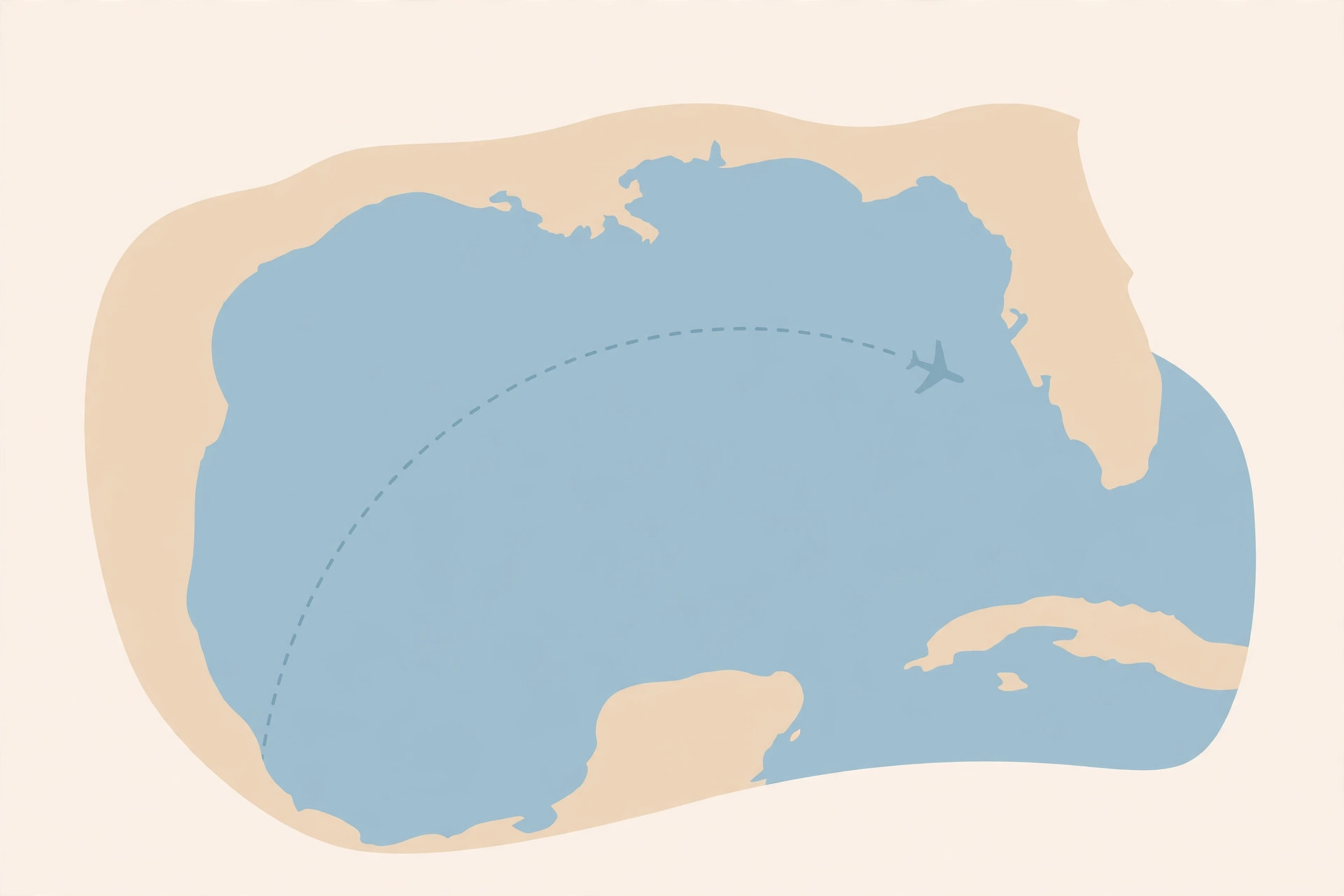
Registered as N722BD and operated by Aurora Aviation, doing business as Upper Jets, the 2004-built business jet departed Austin-Bergstrom International Airport in Texas, charting a course toward North Eleuthera Airport in the Bahamas. What began as a routine international charter transformed into a catastrophic high-speed vertical dive over South Florida.
The Final Moments and Chronology of the Flight
- Cruising altitude — 35,000 ft: Severe icing and turbulence reported as the jet approached the Florida coastline.
- The mayday call: First Officer Nathalia Gadelha Filgueiras reported ice and turbulence and issued a mayday as descent rates climbed past 20,000 feet per minute.
- Steep dive & overspeed: Descent rates exceeded 30,000 feet per minute as the jet fell from about 35,250 feet to 8,750 feet in roughly a minute.
- Ground impact: Vertical nosedive near Military Trail and 10th Avenue North in Greenacres, Florida, leaving a crater and a debris field about half a mile by four-tenths of a mile.
Departure and Cruise: The aircraft departed Austin at 10:37 a.m. EST (15:37 UTC). The flight proceeded uneventfully across the Gulf region until approaching the Florida coastline at 35,000 feet.
First Warning Signs: Approximately 10 minutes prior to impact, First Officer Nathalia Gadelha Filgueiras (20) sent a text message stating: “I’ve got turbulence, I’ve got ice.”
The Climb Request: At 12:47 p.m. EST, flying through sub-zero temperatures reaching -47 °C (-53 °F), the crew reported moderate-to-severe turbulence, heavy precipitation, and altitude deviations exceeding 700 feet due to atmospheric instability. Seeking smoother air, the crew requested clearance to climb from 35,000 to 37,000 feet, which air traffic control authorized.

The Rapid Descent and Mayday: Shortly after initiating the climb maneuver, the aircraft entered a state of severe overspeed and an uncontrollable, steep descent. The first officer broadcast a desperate “Mayday” call, warning controllers that the aircraft was plummeting at rates exceeding 20,000 to 30,000 feet per minute and stating they were going to crash.
Final Telemetry: Federal Aviation Administration (FAA) data confirms the jet dropped from 35,250 feet to 8,750 feet in roughly 60 seconds. The last altitude transmission was logged at 8,750 feet at 12:49 p.m. EST before the aircraft impacted the ground near the intersection of Military Trail and 10th Avenue North in Greenacres, Florida.
NTSB Investigation: Ice, Turbulence, and Structural Breakup
National Transportation Safety Board (NTSB) board member Tom Chapman provided updates during the ongoing federal investigation. Weather conditions are a major focus of the investigation, and the cause has not been determined.
Severe Airframe Icing: Supercooled water droplets present in the storm cell can freeze upon striking a jet’s wings and control surfaces. Ice alters airfoil shapes, reduces lift, increases drag, and lowers the angle of attack at which a wing stalls. Independent aviation expert Justin Crabbe told the New York Post that trying to climb to 37,000 feet while iced may have accelerated a stall — while cautioning that “it’s extremely easy to say this from the ground and from a position of safety.”
Mid-Air Elevator Separation: In a key finding from the NTSB, investigators recovered the majority of the jet’s left elevator — the tail surface responsible for pitch — in three pieces between 1.3 and 3.8 miles from the main impact crater. Chapman called it a “very significant bit of evidence” and said it is “implausible that it would have been a result of the impact. It would have separated before the impact.”
What the Finding Does Not Settle: Chapman was explicit about the limits of the finding: “What that means exactly in terms of what caused the aircraft to lose control, or whether the loss of this piece was a result of the forces on the aircraft, we don’t know yet.” Investigators have not established whether the separation caused the loss of control or resulted from forces during the descent.
The Expert View on Pilot Decisions: Crabbe told the New York Post that the pilots should have gone around the storm rather than through it, saying air traffic control had given them flexibility to deviate around the weather, and suggested “get-there-itis” — pressure to complete the journey — may have played a role. He said the pilots faced two dangerous options: climb and risk a stall, or descend deeper into the storm and risk further ice accumulation. This is one expert’s assessment, not an NTSB finding.
Casualties and Ground Impact
The high-speed vertical nosedive caused the aircraft to disintegrate upon impact, producing a massive fireball and a deep crater in a commercial and residential area of Palm Beach County.
The nine victims on board included the 55-year-old pilot-in-command, Captain Jeff Gregory, First Officer Nathalia Gadelha Filgueiras, and seven passengers: Texas tech entrepreneur Adam Robinson (45), his wife Helen Sharp (40), their children Emma (4) and Charlie (2), family friends Rachael Reed and Charmi Fehr, and nanny Anita Maria Cetina. While no fatalities were reported on the ground, one man in a vehicle suffered a leg injury, and the impact broke a water main, slowing recovery of the main wreckage in the road crater. Roughly 600 residents were evacuated from a nearby mobile home community, with Red Cross shelters deployed.

Comprehensive Investigation & Context
The high-speed vertical nosedive caused the aircraft to plummet from over 35,000 feet to under 9,000 feet in approximately 60 seconds. The NTSB’s on-site briefings have concluded, with further updates to come via the agency’s website and newsroom. Swift NTSB coordination remains vital for accident analysis.
External Contextual Sources
- Associated Press: NTSB Finds Debris Miles From Florida Crash Site
- NTSB Official Updates: National Transportation Safety Board Newsroom
- Federal Aviation Administration: FAA Accident & Incident Data