By WorldwideScope World Desk
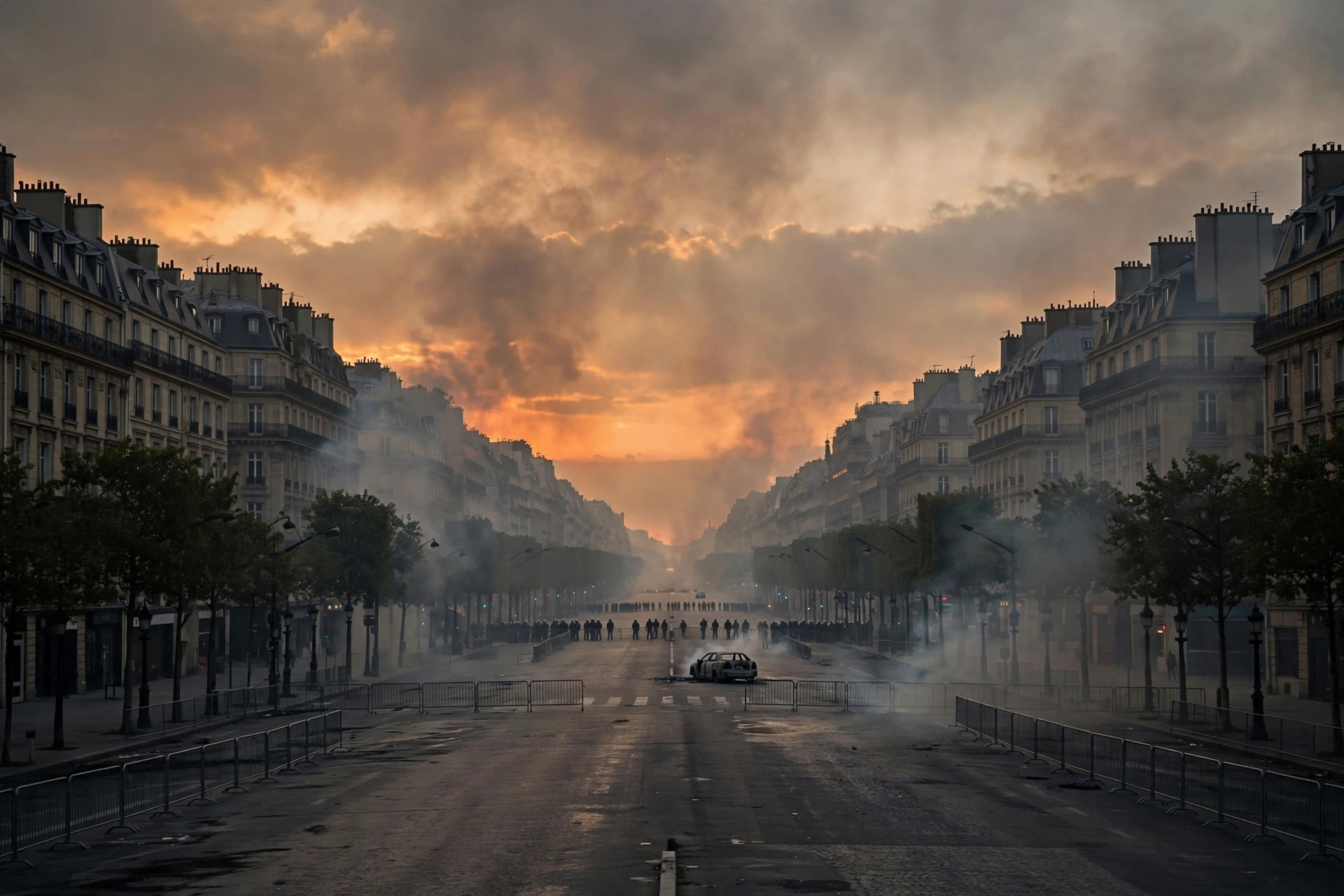
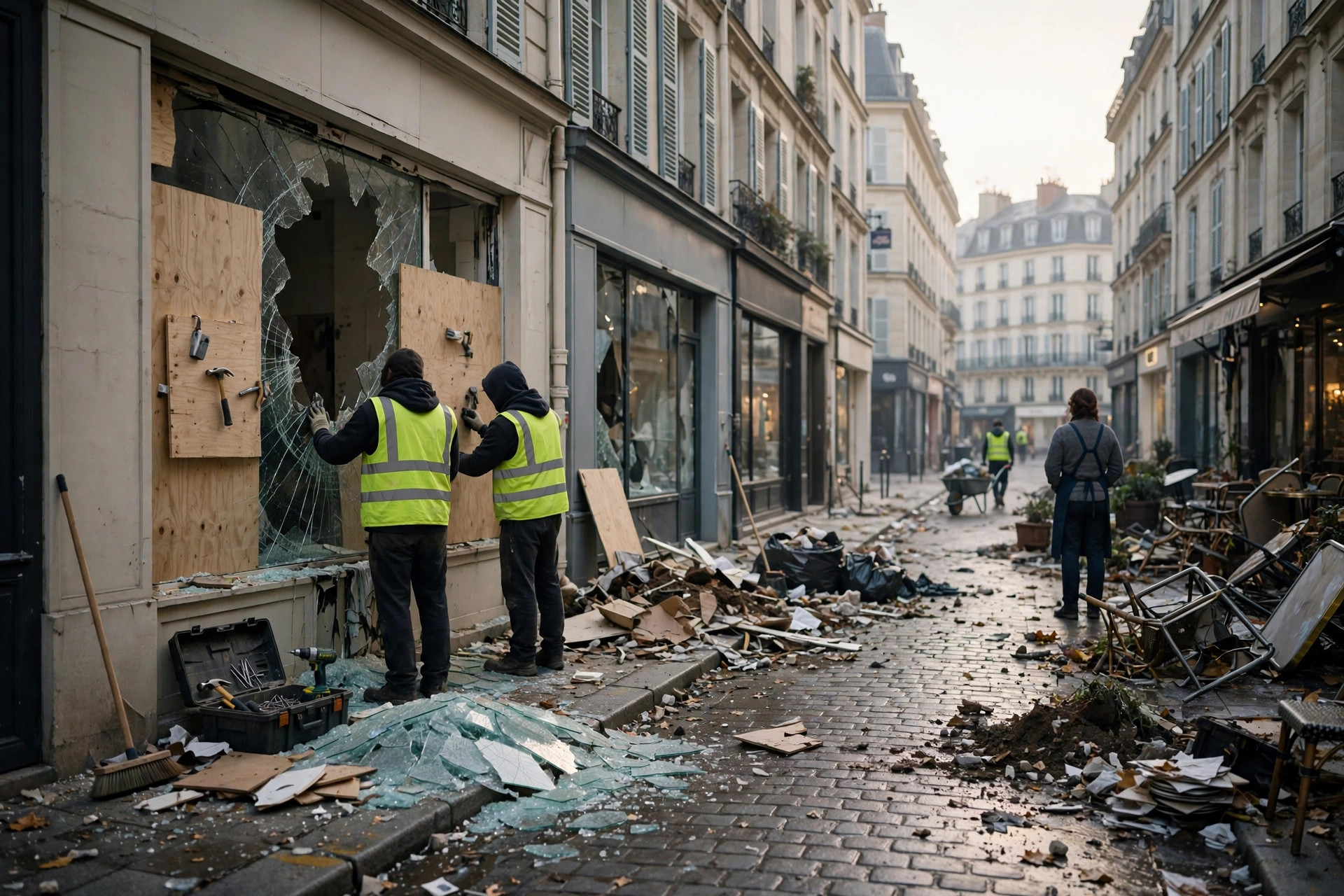
France is facing a wave of nationwide urban unrest following student-led demonstrations that quickly spiraled into violent clashes, widespread looting, and property destruction. What began as protests over public education funding and cost-of-living pressures has transformed into a major political and security crisis for the French government, raising urgent questions about economic stability and public safety across Europe.
Also read: France Student Protests Turn Violent: Riot Police Clash With Students as 1,949 Arrested in a Day
What Is Fueling the Violence in France?
The current wave of unrest stems from a convergence of economic grievances and social discontent:
1. Cost-of-Living Pressures and Stagnant Wages
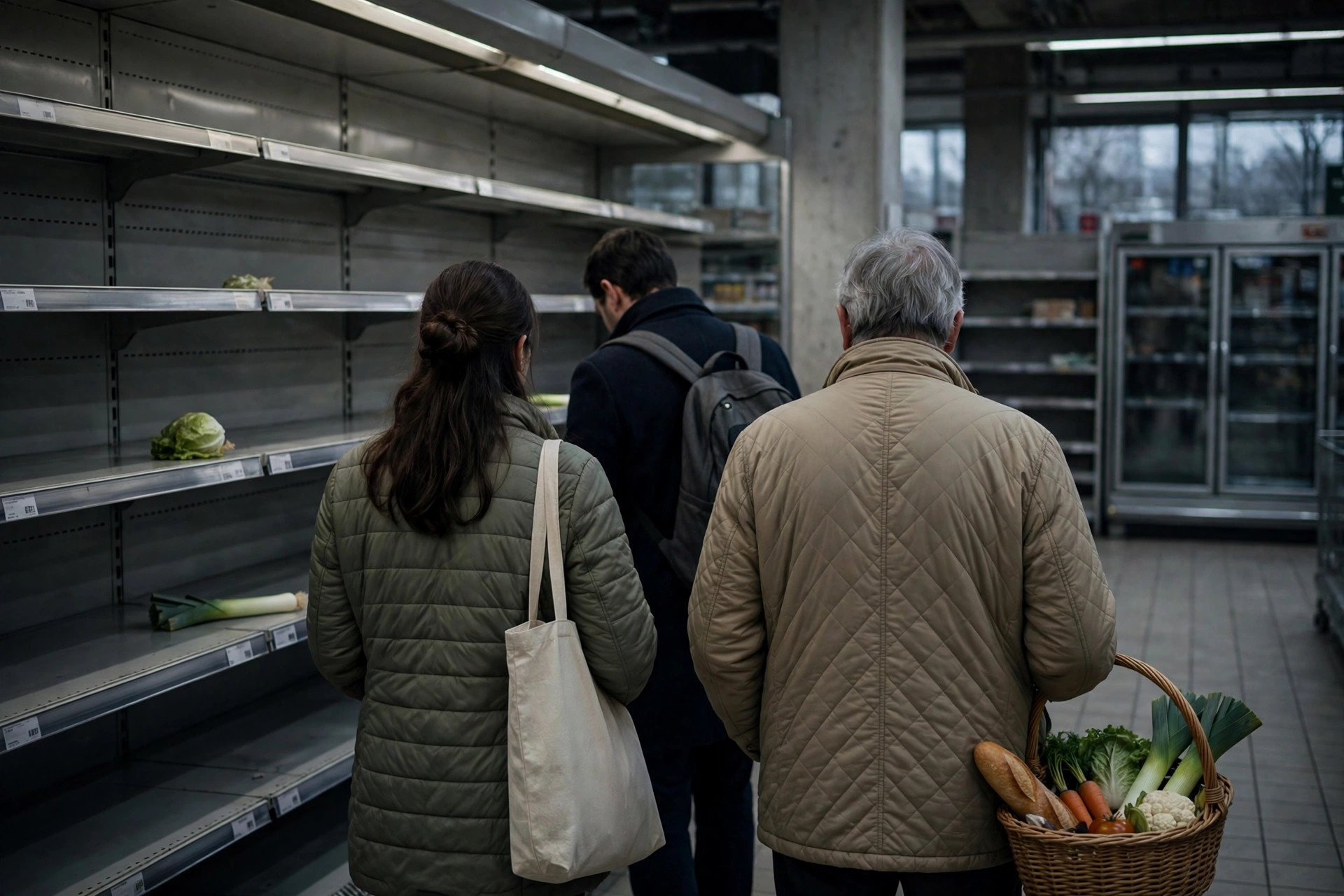
Households across France have faced persistent financial strain due to high inflation, increased utility costs, and heavy tax burdens. Stagnant real wages, paired with mounting national debt, have created fertile ground for public frustration.
2. Student Demonstrations and Public Services
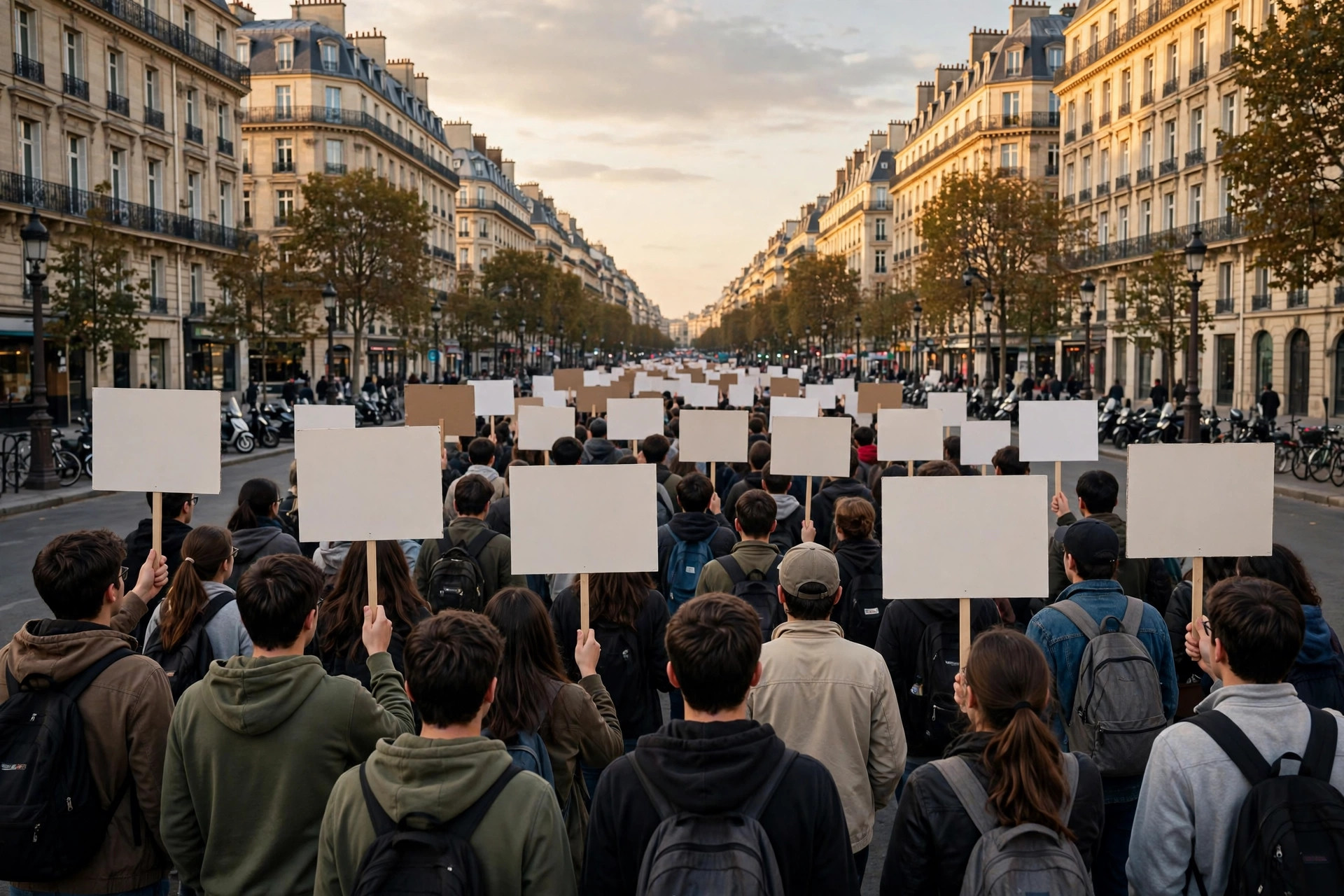
The protests initially gained momentum on university and high school campuses, where student unions demanded increased state investment in public education and financial support for youth. However, these grievances quickly drew in broader anti-government sentiment from labor groups and citizens impacted by strained public services.
3. Opportunistic Looting and Extremist Infiltration
As peaceful marches dissolved into street confrontations, French authorities reported that radical factions—including far-left groups and opportunistic criminal elements—hijacked the demonstrations. Rather than voicing legitimate policy concerns, these groups engaged in organized looting, arson of public infrastructure, and violent attacks on law enforcement.
Government Response and Security Crackdown
In response to the escalating crisis, the French government has moved swiftly to restore public order:
- Targeted Curfews: Prime Minister Sébastien Lecornu ordered localized curfews across severely impacted municipalities, granting local prefects the authority to restrict movement as needed.
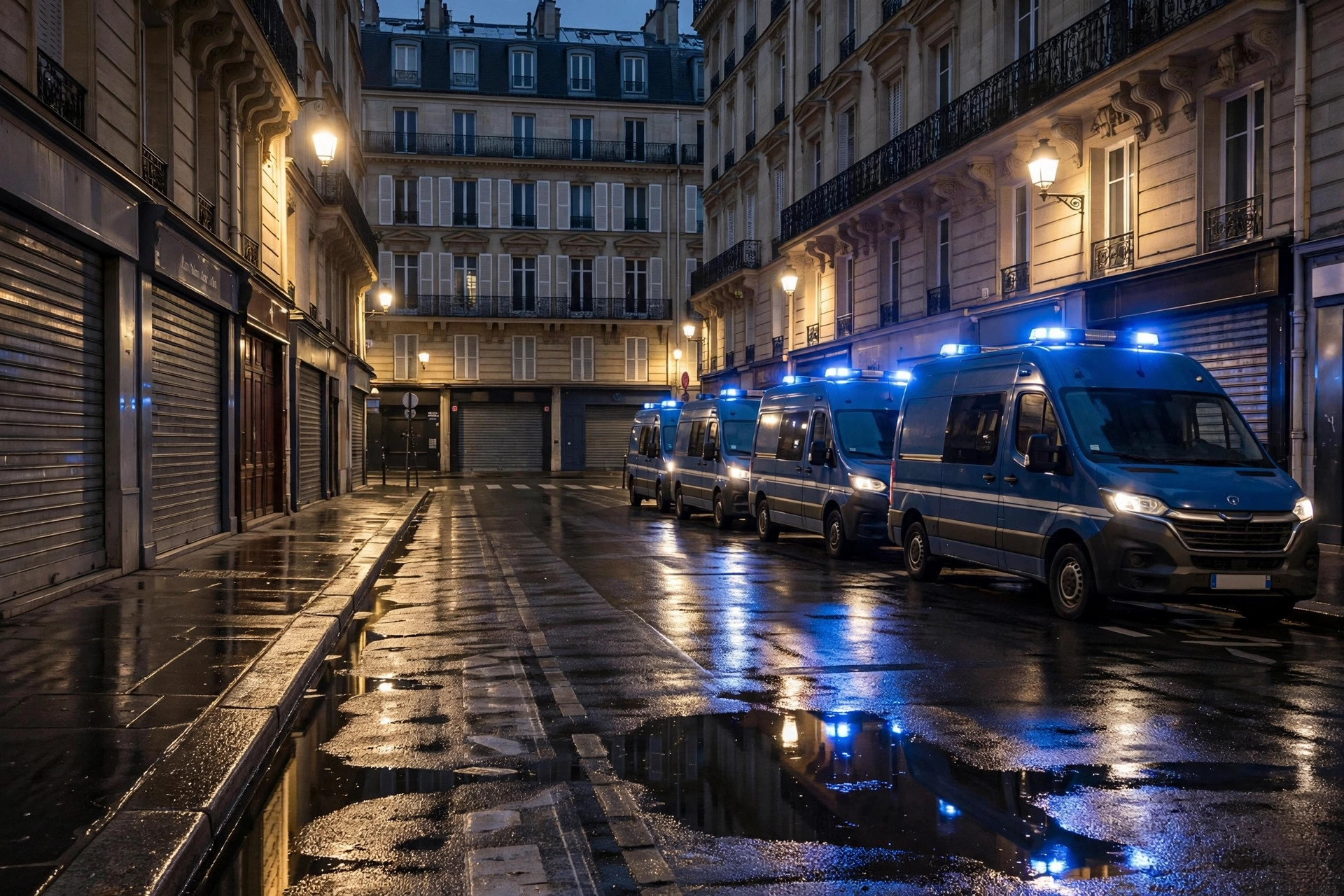
- Mass Arrests: Law enforcement agencies have detained over 2,400 individuals nationwide, deploying heavy riot police and gendarmerie units to protect commercial districts and transit hubs.
- Political Resolve: President Emmanuel Macron condemned the violence, maintaining that lawlessness, vandalism, and attacks on civic institutions will be met with immediate legal prosecution.
Political Fallout and the Road to 2027
The riots have supercharged political tensions in France as the country looks ahead to the 2027 Presidential Election:
- Criticism from the Right: Opposition leaders from the National Rally, including Marine Le Pen and Jordan Bardella, seized on the chaos to criticize the government’s security record. Le Pen stated publicly: “Violence is not an opinion. Destruction is not a form of expression. And chaos cannot serve as a project for France.”
- Economic Toll: Economy Minister Roland Lescure announced emergency financial relief funds for small-business owners whose shops were damaged or looted. Nevertheless, extended civil unrest threatens tourism, retail commerce, and investor confidence.
The ongoing crisis in France illustrates how quickly domestic economic strain can erupt into widespread social upheaval—mirroring broader global pressures seen in recent economic shifts, such as the IMF warnings on global AI workforce disruption and complex trade negotiations like the recent US–India trade talks involving Marco Rubio.
Sources: Reuters, Associated Press