By WorldwideScope World & Business Desk
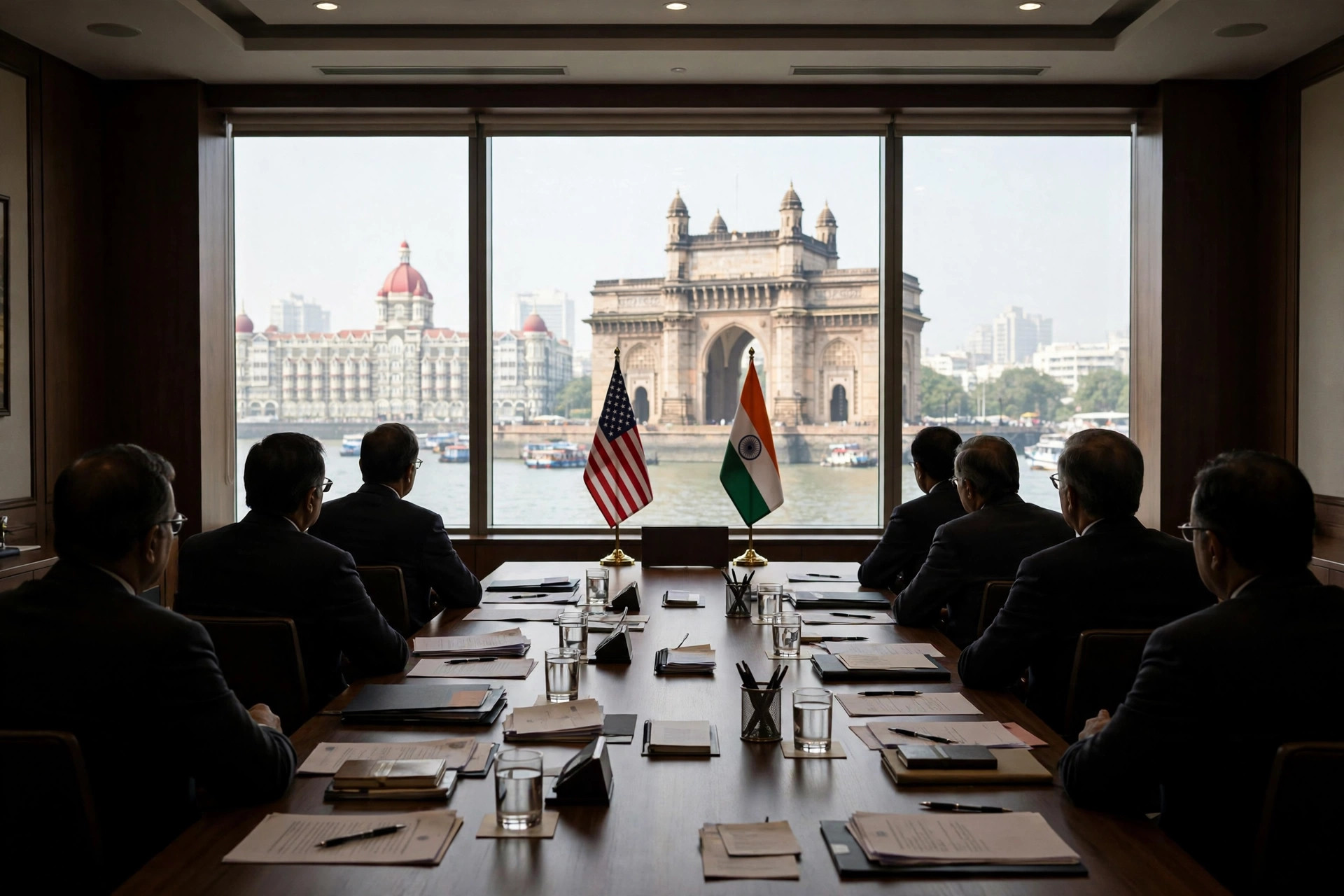
The United States and India are moving closer to a comprehensive trade agreement following high-level discussions between U.S. Secretary of State Marco Rubio and India’s External Affairs Minister S. Jaishankar in Mumbai on October 20, 2026. The talks follow months of complex negotiations shaped by U.S. tariff policies, India’s continued procurement of Russian crude oil and its growing role in global fuel markets, and disagreements regarding market access.
Speaking to reporters following the meeting, Rubio stated that both nations were close to finalizing an accord, though a small number of outstanding issues remain unresolved.
Also read: Trump Diesel Export Ban: Europe Turns to India as Global Fuel Supply Tightens

US–India Trade Deal: What Did Rubio and Jaishankar Discuss?
The bilateral meeting in Mumbai focused on advancing economic and strategic frameworks that had previously stalled over trade and energy disagreements.
- State of Negotiations: Rubio indicated that progress has been substantial, though he stopped short of declaring that a final text has been formally signed.
- Core Pillars: Jaishankar noted that discussions centered on deepening cooperation across trade, energy, technology, and defense sectors.
- Trilateral Diplomacy: The diplomatic agenda also incorporated a trilateral meeting with United Arab Emirates Foreign Minister Sheikh Abdullah bin Zayed Al Nahyan, emphasizing regional energy security.
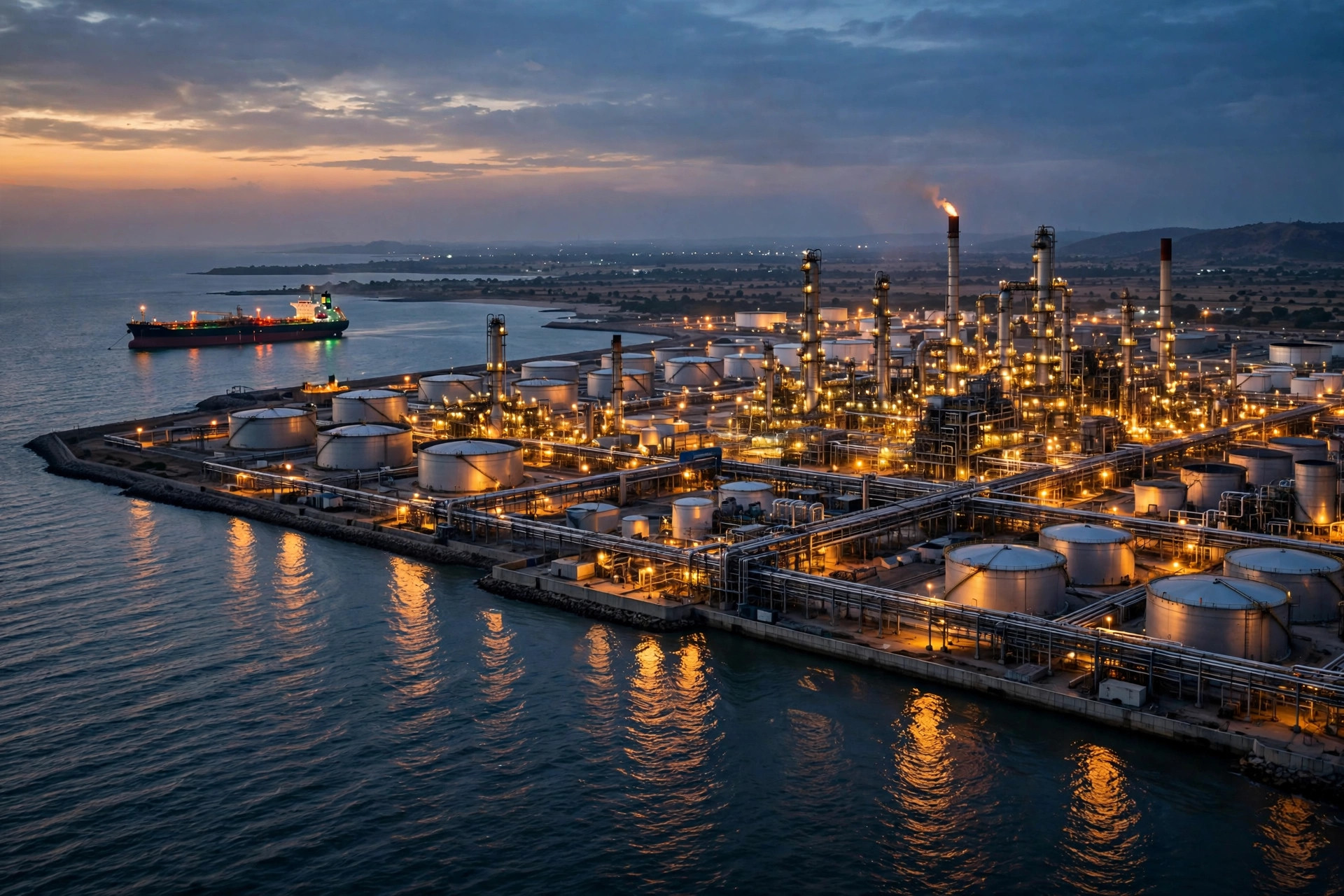
Rubio’s itinerary also includes touring a major refining facility in Jamnagar, Gujarat, and holding private consultations with key industry and business leaders.
Why Have Trade Negotiations Been Difficult?
Bilateral trade talks between Washington and New Delhi have faced persistent hurdles over market access and tariff adjustments:
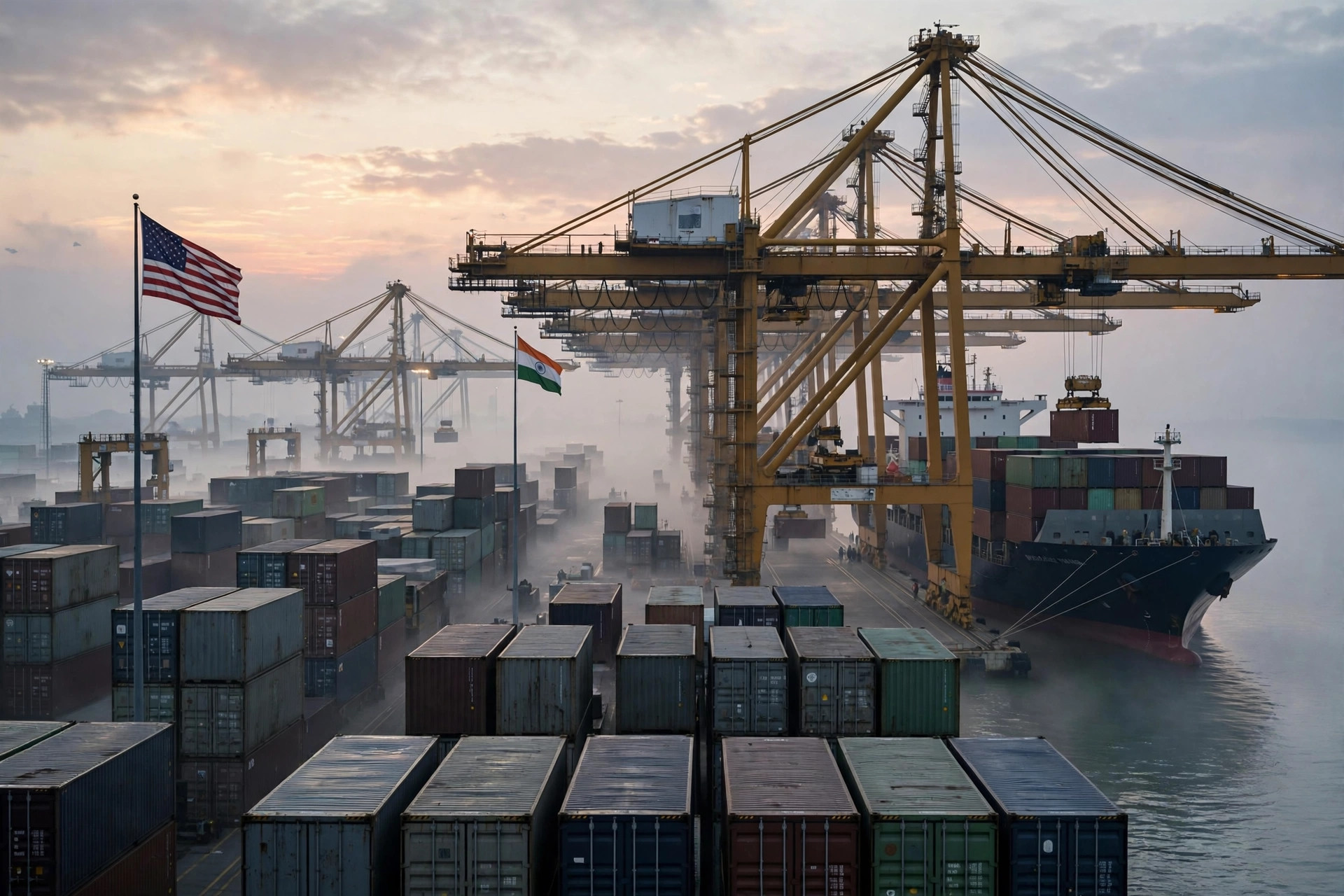
- Tariff Fluctuations: The United States imposed tariffs of up to 50% on various Indian goods in 2025. Although those duties were reduced to 18% in early 2026, both governments continued negotiating a broader framework.
- Competitive Pressures: India has sought tariff structures that allow its domestic exporters to remain competitive against rival suppliers across other Asian markets.
- Washington’s Objectives: The U.S. administration has continuously pushed for expanded market access and closer strategic alignment on economic policies.
The Role of Russian Energy and Oil Imports
Energy policy remains a delicate component of the diplomatic relationship. Washington has repeatedly questioned New Delhi’s reliance on Russian crude oil imports, while Indian officials have underscored the economic necessity of securing affordable, reliable energy for its rapidly expanding economy.
Prior to his departure, Rubio acknowledged that an immediate pivot away from established energy suppliers is impractical, recognizing India as a vital partner that has actively diversified its energy sourcing portfolio.
What Could a Trade Deal Mean for Industries and Exporters?
For multinational corporations, manufacturers, and exporters, a completed trade pact could reshape supply chains and tariff exposures:
- Greater Predictability: A finalized agreement would establish clearer commercial rules, reducing uncertainty for cross-border investments.
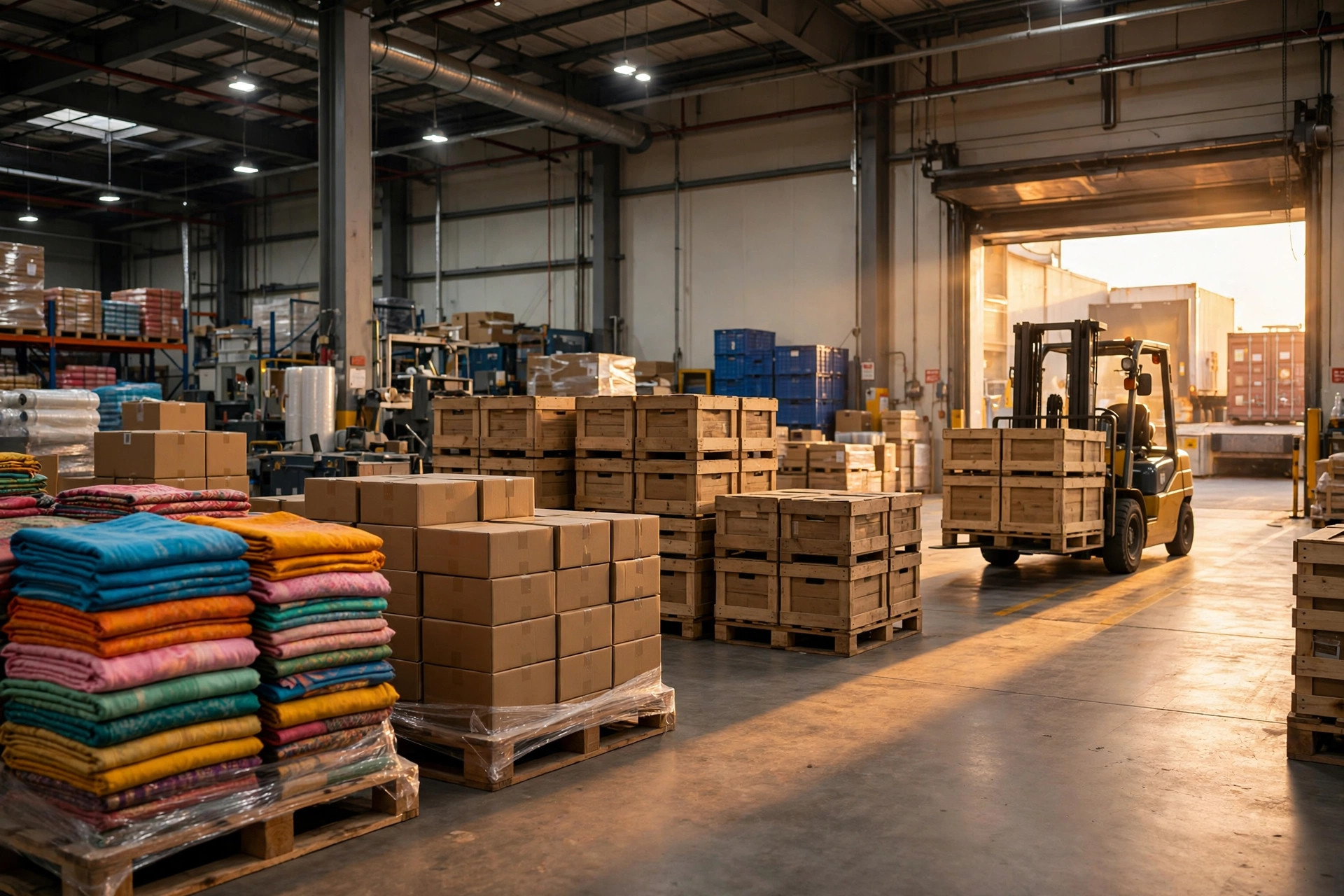
- Sector-Specific Impacts: Exporters in textiles, engineering goods, and pharmaceuticals stand to benefit most, though exact advantages will depend heavily on final tariff schedules and product exclusions.
- Non-Tariff Compliance: Beyond headline tariff cuts, businesses must monitor customs procedures, rules of origin, and product standards specified in the final agreement.
Update, October 21: Rubio continued from Mumbai to Jamnagar — read the follow-up: Marco Rubio Calls India a ‘Refining Superpower’ During Historic Jamnagar Visit
Sources: Reuters, Associated Press
1 thought on “US–India Trade Deal Nears Finish Line as Marco Rubio Holds Talks With Jaishankar”