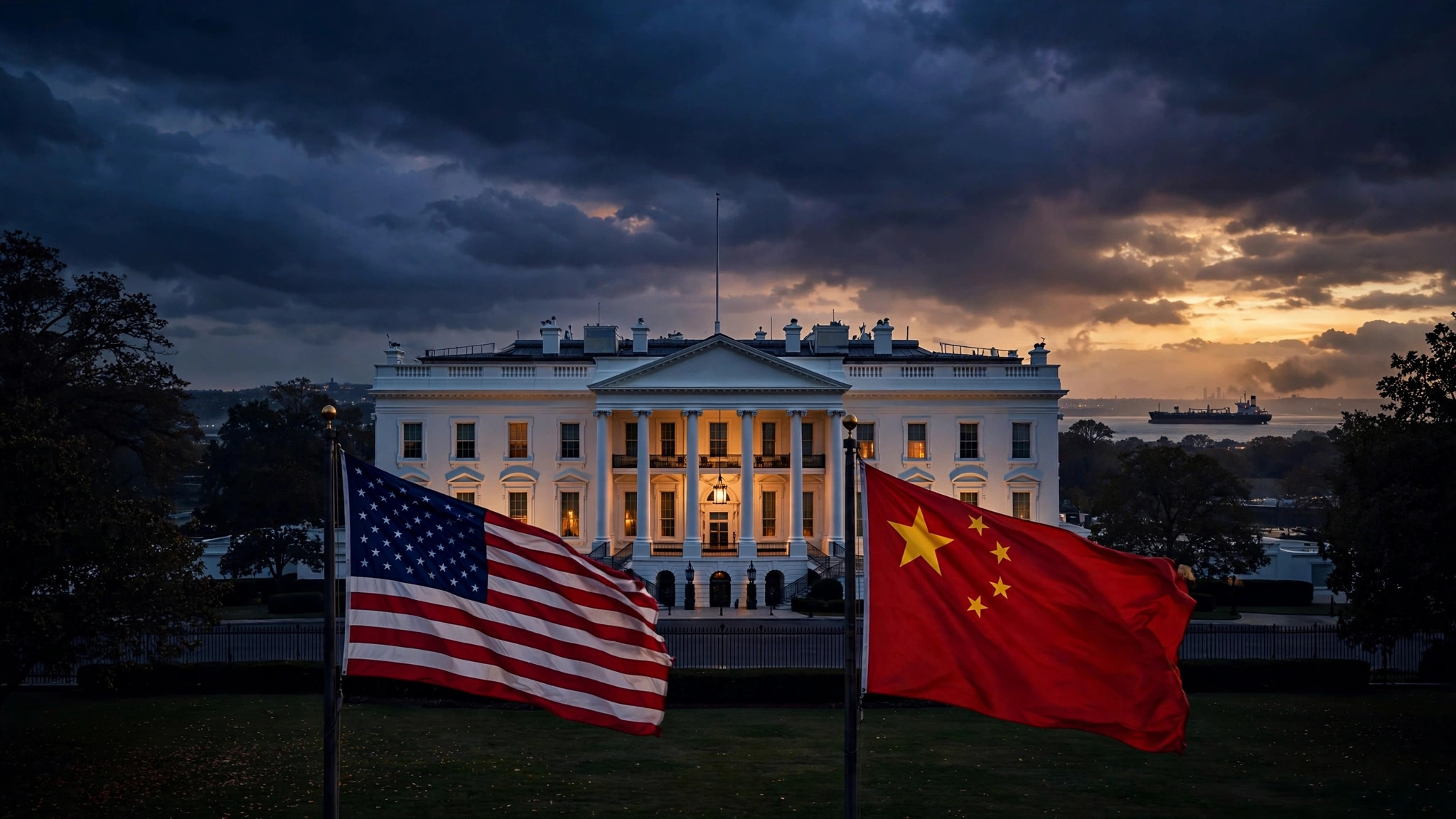
Trump warns Xi Jinping that China’s assistance to Iran is becoming a critical line of division between Washington and Beijing during their high-profile bilateral discussions at the White House.
During President Donald Trump’s state talks with Chinese President Xi Jinping, U.S. officials made clear that Beijing’s ongoing military and intelligence links with Tehran are unacceptable. According to U.S. Ambassador to China David Perdue, speaking to CNBC on Friday, September 25, Washington firmly addressed the issue following the Chinese leader’s arrival in the U.S. capital.
The warning introduces a volatile new element into an already complex relationship, as both nations navigate economic competition, technology sanctions, and regional conflicts.
Also read: Trump Courting Xi Jinping: Why Is Trump Giving China’s Leader a High-Profile Welcome?
Trump Warns Xi Jinping Over China’s Support for Iran
The primary point of friction stems from Beijing’s economic and strategic ties with Tehran during the ongoing Middle East crisis.
While Washington has escalated pressure on Iran, China has maintained significant energy imports and diplomatic relations with Tehran. According to reporting from Reuters, U.S. officials briefed President Xi on evidence of dual-use technology shipments reaching Iranian Defense Ministry channels.
When Trump warns Xi Jinping about Chinese military assistance, it highlights Washington’s concern that Beijing’s trade links are undermining Western economic pressure.
In response, Chinese state media (Xinhua) reported that President Xi emphasized de-escalation, urging both the United States and Iran to resume direct negotiations and adhere to existing diplomatic frameworks, such as the Islamabad Memorandum of Understanding.
1. Trade Truce Extended Until January
Beyond Middle East diplomacy, economic relations dominated the summit schedule. U.S. Treasury Secretary Scott Bessent confirmed that Washington and Beijing agreed to extend their existing trade truce until January 10.
While the extension prevents an immediate tariff spike, several structural disputes remain unresolved:
- Comprehensive tariff reductions on agricultural and industrial exports
- Export restrictions on critical minerals and rare earths
- Market access for foreign financial institutions
- Global supply chain security and semiconductor manufacturing
2. Artificial Intelligence and Strategic Competition
Artificial intelligence emerged as another central theme during the bilateral meetings. As the two superpowers race to develop advanced AI models and defense systems, President Xi noted that both nations carry a shared responsibility to ensure AI safety and human oversight.
The talks coincided with attendance from major technology executives at the White House state dinner, reflecting how technological leadership has merged with national security priorities.
3. Taiwan and Regional Security Lines

During closed-door meetings in the Oval Office, President Xi reiterated Beijing’s firm stance on Taiwan, cautioning Washington to handle arms sales with prudence.
While the Trump administration has kept proposed defense support packages under review as part of broader bilateral negotiations, both leaders acknowledged the need to maintain open military-to-military crisis communication channels to avoid accidental escalation.
4. Diplomatic Ceremony vs. Concrete Policy
Despite elaborate ceremonies – including military honors, flyovers at Joint Base Andrews, and a White House state dinner – analysts note that the summit delivered strategic stability rather than comprehensive policy breakthroughs.
Both administrations signaled a commitment to managing competition within defined boundaries, preventing economic friction from devolving into military conflict.
Why China’s Role in Iran Matters Globally
As one of the world’s largest energy importers, China plays a pivotal role in global oil market dynamics. If Beijing continues maintaining trade channels with Tehran, U.S. sanctions lose significant leverage.
However, prolonged regional instability also threatens China’s own maritime supply lines and energy security. As diplomatic engagements continue over the coming weeks, the strategic conversation between Washington and Beijing will dictate whether this latest summit established a durable foundation for cooperation or merely delayed deeper policy clashes.