By WorldwideScope Business & Energy Desk
U.S. Secretary of State Marco Rubio arrived at Reliance Industries’ massive industrial complex in Jamnagar, Gujarat, on Wednesday, marking one of the most high-profile energy diplomacy visits between Washington and New Delhi in recent history.
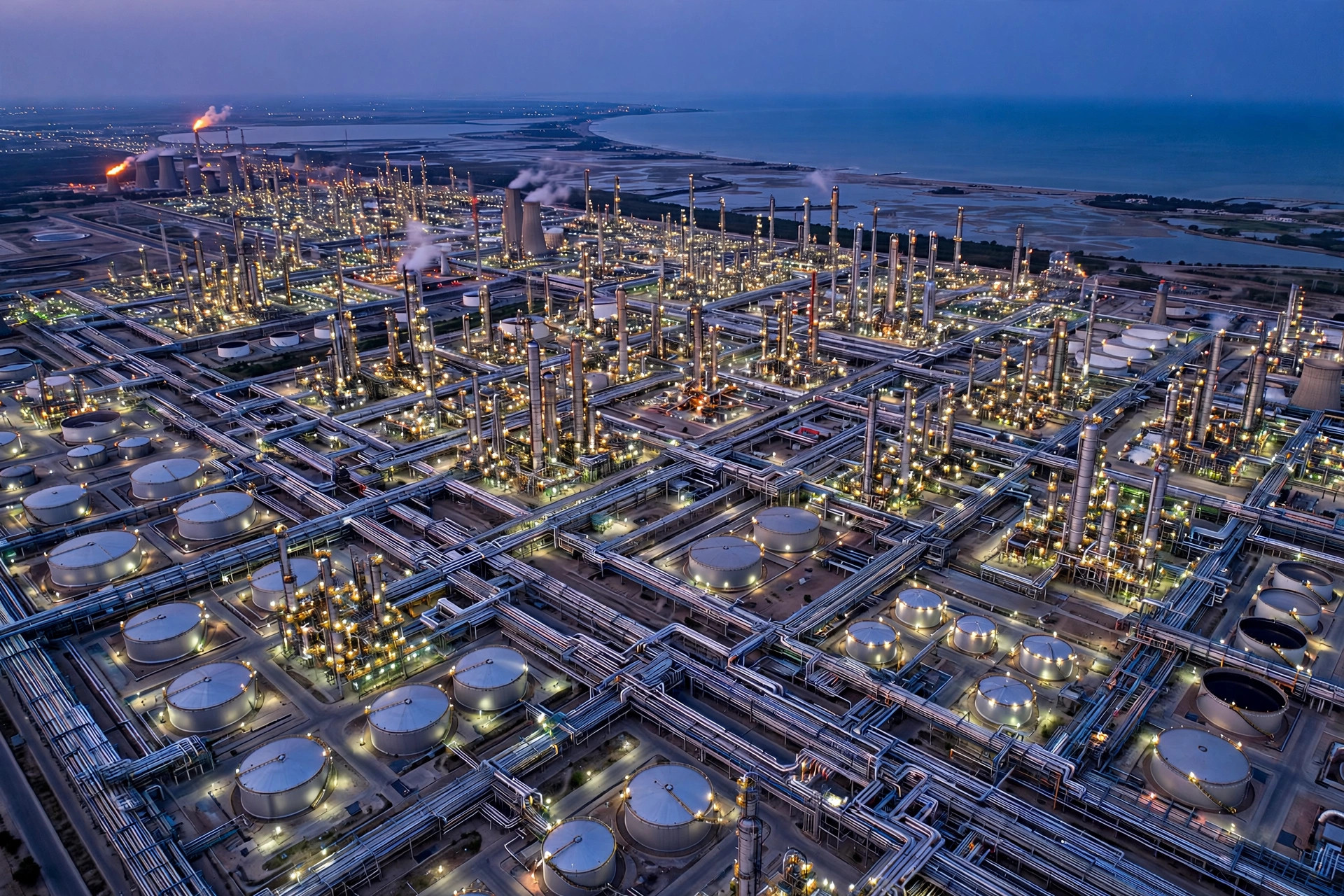
Hosted by Reliance Industries Chairman Mukesh Ambani and his family, Rubio toured the world’s largest single-site crude oil refining complex, as well as the Vantara animal conservation center and the newly built Dhirubhai Ambani Green Energy Giga Complex.
The Jamnagar leg of Rubio’s India trip follows high-level bilateral talks in Mumbai with External Affairs Minister S. Jaishankar as both nations work toward finalizing a long-awaited bilateral trade deal.
During his meetings in Mumbai, Rubio publicly praised India’s processing capabilities, calling the nation a “refining superpower” capable of handling complex heavy crude slates that most global refiners cannot process efficiently.
However, the unprecedented visit by a sitting U.S. Secretary of State to a private Indian industrial plant raises an essential question: What exactly is Washington seeking from Jamnagar?
Also read: US–India Trade Deal Nears Finish Line as Marco Rubio Holds Talks With Jaishankar
What Does Washington Want From Reliance and Jamnagar?
The diplomatic outreach connects U.S. domestic economic pressures, geopolitical sanctions strategies, and private corporate investments across four key areas:
1. Processing Increasing Venezuelan Heavy Crude
As production of heavy crude oil in Venezuela increases, Washington is seeking established, high-capacity refining destinations capable of processing dense, high-sulfur slates.
Speaking in Mumbai, Rubio explicitly stated:
“They have the capability to refine heavy crude. They’ve done so in the past, and I think as more and more Venezuelan oil comes online, it’s something they can do.”
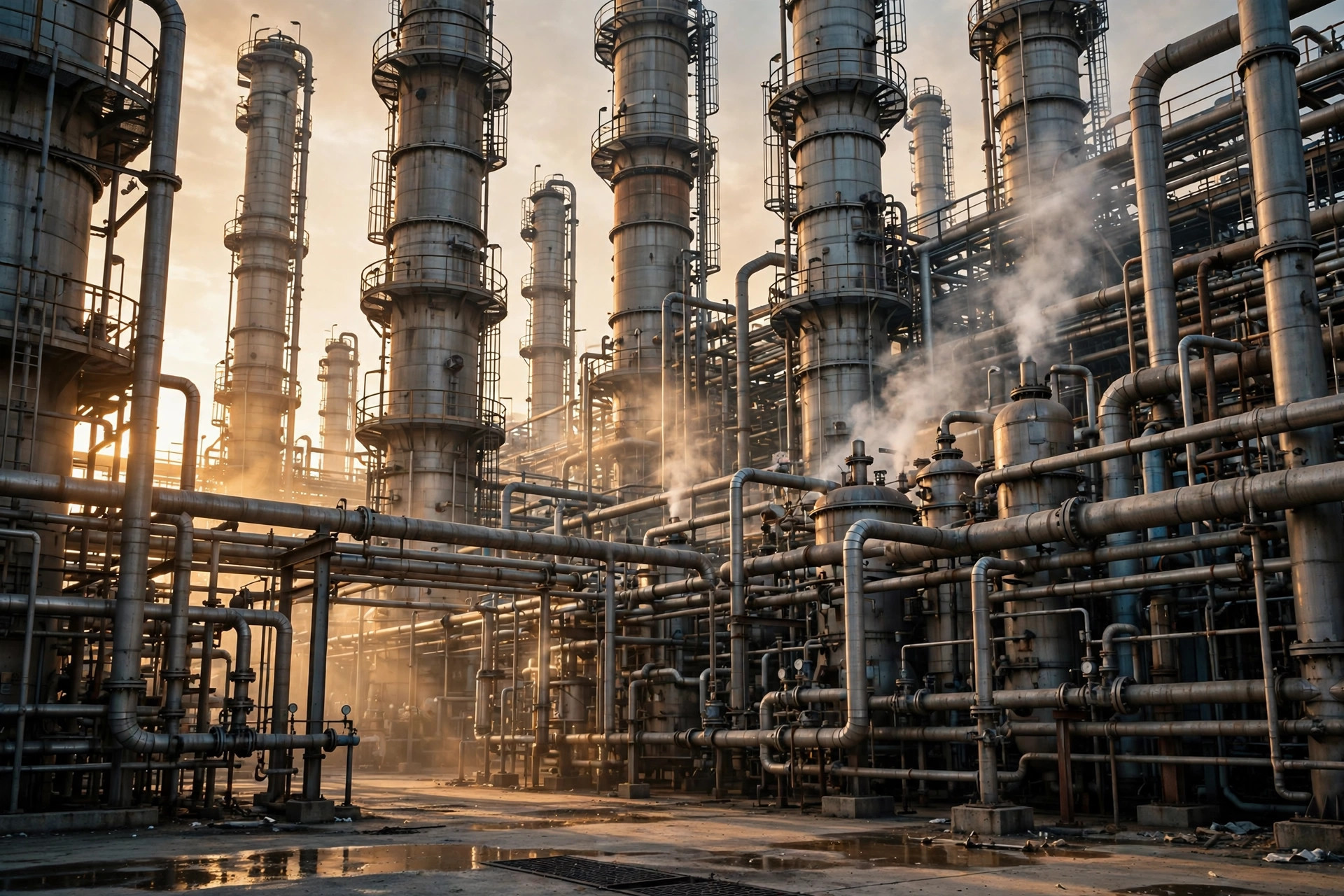
Jamnagar’s twin refineries possess a combined crude processing capacity of 1.4 million barrels per day (bpd) with high coking complexity, making Reliance one of the few global refiners equipped to convert heavy Venezuelan grades into high-margin transport fuels on a commercial scale.
2. Easing U.S. Diesel Price Pressures Ahead of Midterm Elections
Ahead of the November U.S. midterm elections, Washington faces elevated domestic diesel and fuel prices, which continue to weigh on transportation and consumer inflation.
Because Jamnagar is a primary global exporter of ultra-low sulfur diesel, securing steady processing capacity at Reliance’s facilities helps ensure stable global fuel supplies, preventing price shocks in Western markets.
3. Reciprocal Investment: Reliance’s Landmark Texas Refinery Project
Energy ties between Reliance and the United States extend beyond Indian soil. Reliance is partnering on a proposed $300 billion multi-phase energy investment, including a flagship 168,000-barrel-per-day refinery in Brownsville, Texas.
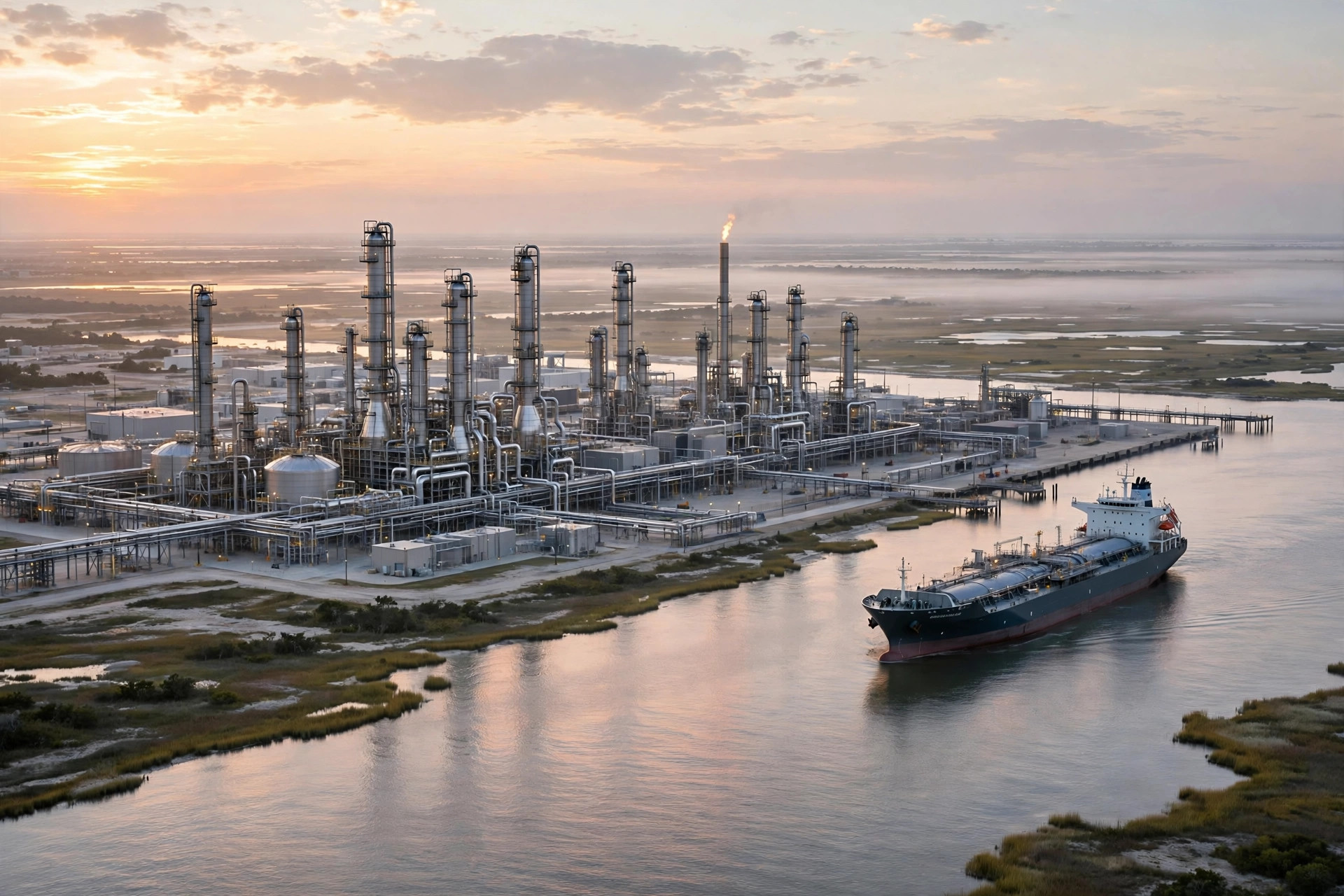
Designed specifically to process U.S.-produced light shale crude near its source, the Texas project would mark the first major new oil refinery constructed on U.S. soil in nearly five decades. Rubio’s visit underscores Washington’s endorsement of Reliance as a major foreign direct investor in American manufacturing.
4. Encouraging Alternatives to Russian Crude Purchases
Energy diversification remains a centerpiece of U.S.–India trade talks. While Washington acknowledges that India cannot instantly halt long-standing crude import flows, offering access to expanded Western Hemisphere slates (including U.S. shale and Venezuelan crude) provides New Delhi with viable commercial alternatives to balance its energy portfolio.
What Did Rubio Visit in Jamnagar?
Rubio’s itinerary in Gujarat highlighted both traditional industrial capacity and next-generation energy transitions:
- The Refining Complex: The world’s largest single-site refinery with a 1.4 million bpd capacity.
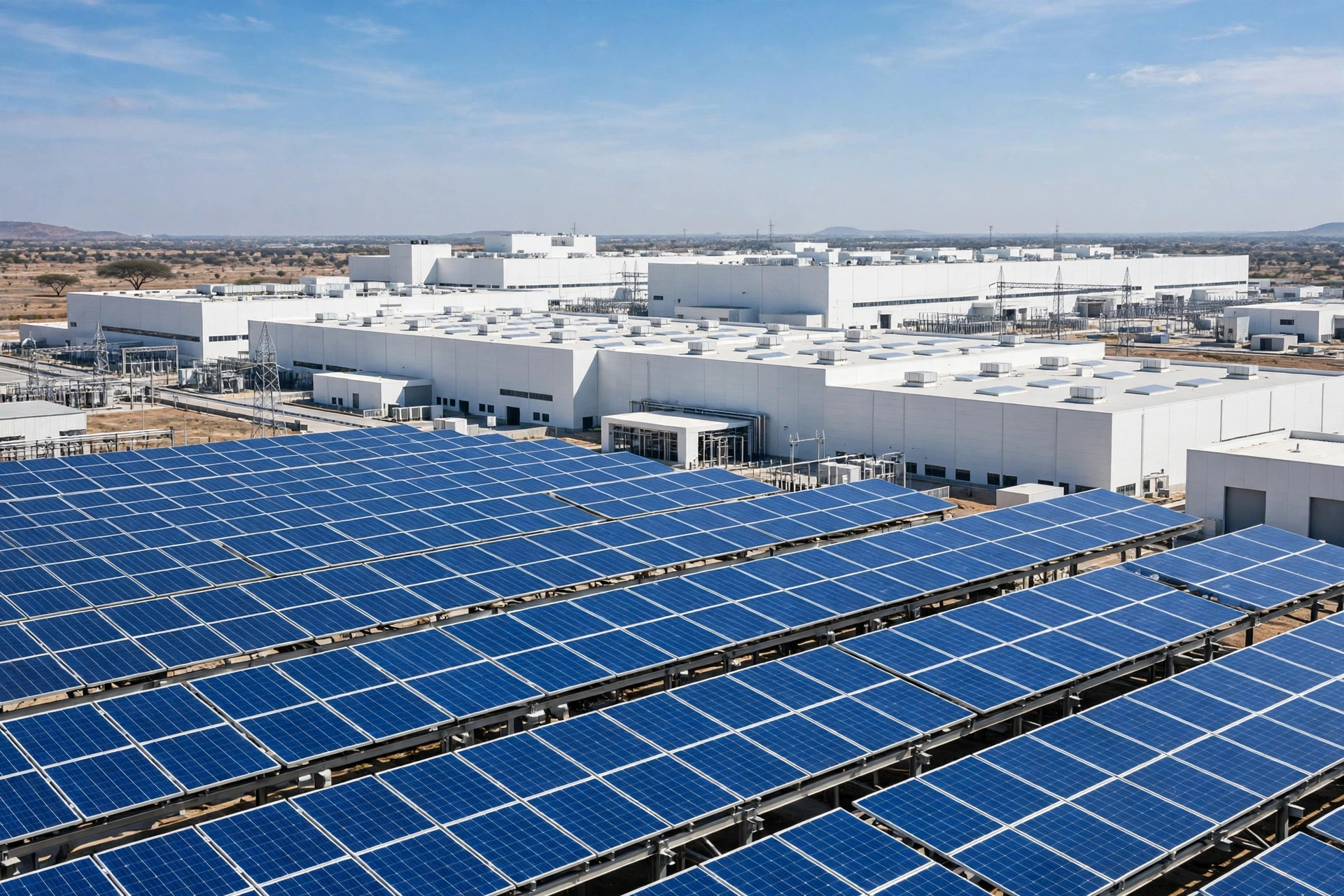
- Dhirubhai Ambani Green Energy Giga Complex: A 5,000-acre, ₹75,000 crore ($10 billion) clean-energy manufacturing ecosystem covering solar giga-factories, energy storage, hydrogen electrolyzers, and fuel cells.
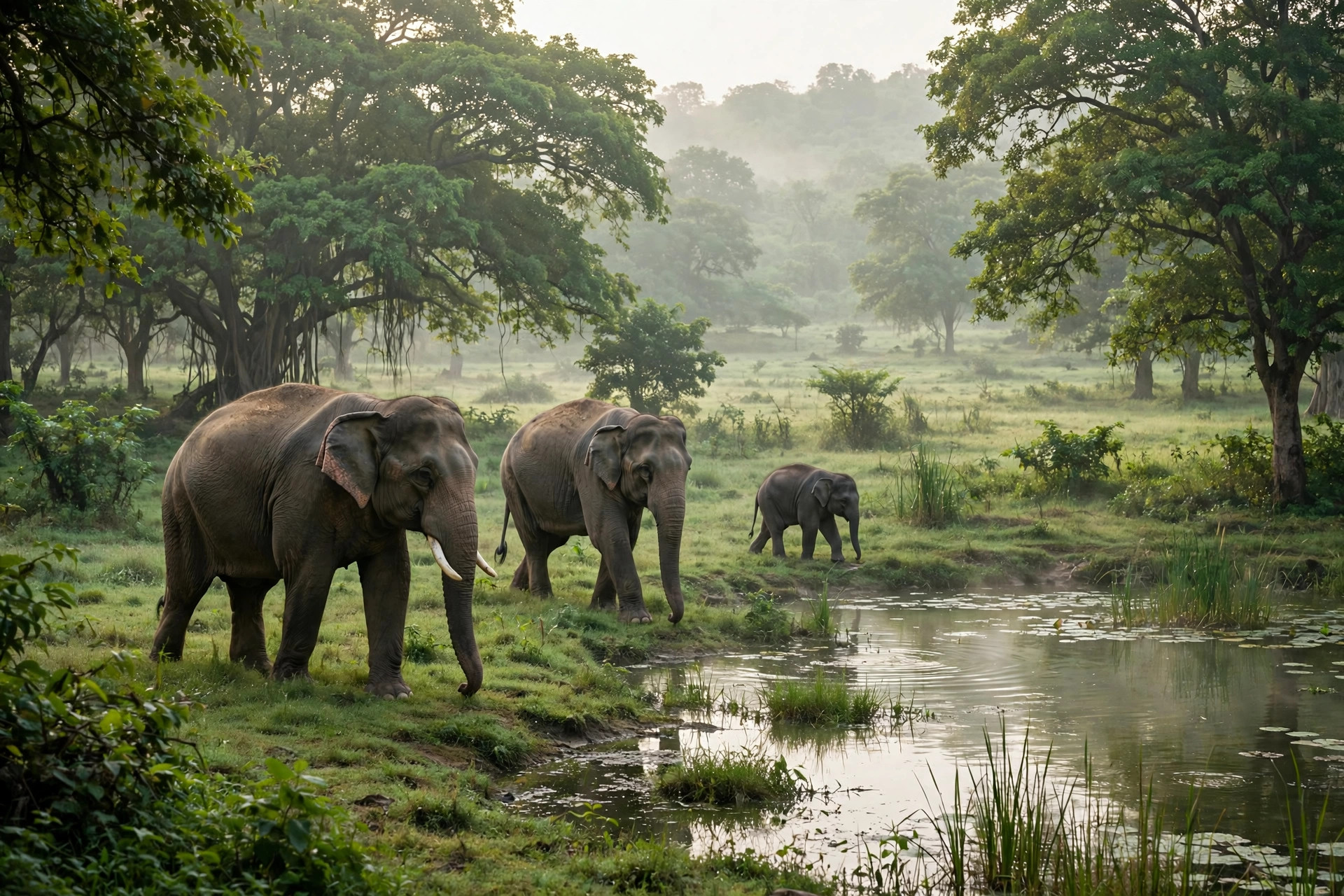
- Vantara Conservation Centre: The 3,000-acre animal rescue, rehabilitation, and conservation program spearheaded by Anant Ambani.
Sources: The Hindu BusinessLine, Reuters